
Distinguished Keynote Speaker
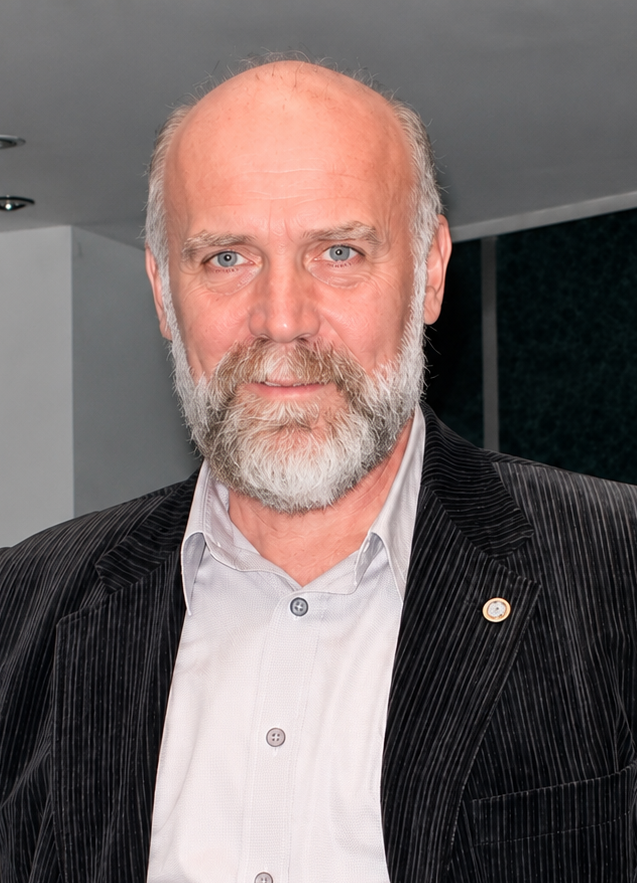 Acad. Dr. Dan Cristea is a corresponding member of the Romanian Academy, Professor Emeritus at the “Alexandru Ioan Cuza” University of Iași, and one of Romania’s leading pioneers in Artificial Intelligence and Computational Linguistics. His research focuses on natural language processing, discourse analysis, computational lexicography, language resources, and AI applications for language technologies.
He founded the Master’s programme in Computational Linguistics at the Faculty of Computer Science, established the UAIC NLP Group, and co-founded the Romanian Language Informatization Consortium (ConsILR) and the EUROLAN international summer school series. Throughout his career, he has coordinated numerous national and international research projects and has made significant contributions to the development of language technologies for Romanian, including the CoRoLa corpus and computational tools for discourse analysis and language processing.
Professor Cristea has authored and edited more than 200 scientific publications, including books, journal articles, conference papers, and book chapters. His achievements have been recognized through prestigious distinctions, including the “Grigore Moisil” Award of the Romanian Academy, and his election as a corresponding member of the Romanian Academy. In addition to his scientific career, he is also an accomplished novelist and essayist.
Keynote Speakers
(in alphabetical order)
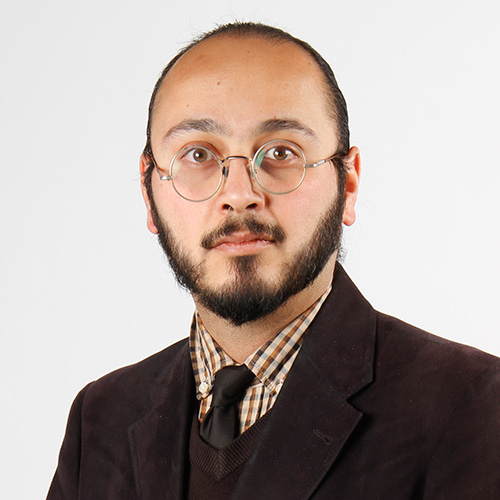 Dr. Paniel Reyes Cárdenas is a philosopher, researcher, and lecturer at the Oblate School of Theology in San Antonio, Texas, USA, where he is also pursuing doctoral studies in theology. Previously, he served as Professor of Philosophy at UPAEP (People’s Autonomous University of Puebla State, Mexico), following postdoctoral research at the University of Nottingham. He is the founder of the Mexican Society for Metaphysics and the Philosophy of Science and a member of Mexico’s National System of Researchers (SNI).
With academic training from the University of Sheffield, where he earned both his MPhil and PhD in Philosophy, Dr. Reyes Cárdenas has established himself as a leading scholar on Charles S. Peirce’s philosophy, pragmatism, semiotics, and the nature of intelligence. His research explores the foundations of reasoning, meaning, reality, and mathematical creativity, offering valuable philosophical insights into the development of artificial intelligence and intelligent systems. Recent work has further expanded his research toward philosophy of mind, abductive reasoning, and AI-assisted models of creativity.
His work bridges philosophy, logic, cognitive science, and AI by examining how humans and machines reason, represent knowledge, and solve complex problems. Drawing on pragmatism and Peircean semiotics, he investigates the conceptual limits of artificial intelligence, the nature of machine reasoning, abductive inference, and diagrammatic thinking as powerful frameworks for both human cognition and computational logic.
In his keynote presentation, “What Kind of Intelligence is Artificial Intelligence?”, Dr. Reyes Cárdenas would challenge audiences to rethink the very concept of intelligence, exploring the philosophical distinctions between human understanding and artificial reasoning. Drawing from pragmatism, semiotics, and contemporary philosophy of mind, he would examine how AI systems generate, represent, and manipulate knowledge, while discussing why creativity, meaning, interpretation, and abductive reasoning remain uniquely human capacities that continue to shape the future of intelligent technologies.
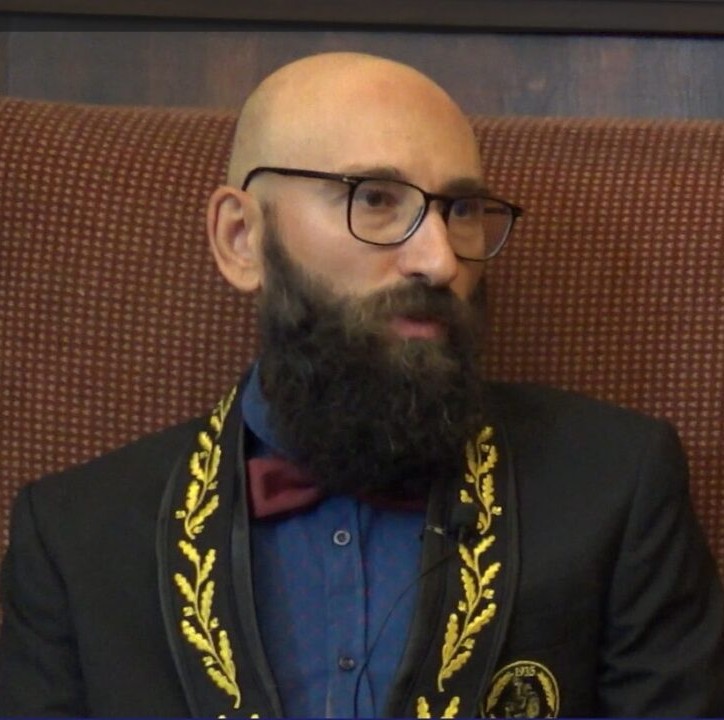 Dr. Alin Ciobîcă is a Senior Research Scientist (CS I, Habil.) and a leading neuroscientist whose research focuses on neurophysiology, behavioral neuroscience, oxidative stress, and the biological mechanisms underlying neuropsychiatric disorders. His interdisciplinary work integrates molecular biology, neurochemistry, animal behavior, and translational neuroscience to better understand the complex relationship between brain function, cognition, and mental health.
Dr. Ciobîcă’s research explores how oxidative stress and its biomarkers can predict the progression of neuropsychiatric disorders from early cognitive impairment to advanced pathological stages. Using animal models of Alzheimer’s disease, Parkinson’s disease, schizophrenia, autism spectrum disorders, anxiety, and depression, his team investigates the neurobiological mechanisms of cognition, memory, emotional regulation, and brain plasticity. His work also examines the influence of the gut–brain axis, microbiota, oxytocin, metabolic dysfunction, and physical exercise on neurological and psychiatric health.
Bridging neuroscience with emerging computational approaches, Dr. Ciobîcă is interested in how biological data, behavioral analysis, and predictive models can contribute to earlier diagnosis, personalized interventions, and a deeper understanding of cognitive processes. His research highlights the importance of combining experimental neuroscience with data-driven methodologies to address some of the most challenging questions about the human mind.
For the symposium, Dr. Ciobîcă will deliver a keynote entitled “From Brain Biomarkers to Artificial Intelligence: Predicting Cognitive Decline through Integrative Neuroscience.” The presentation would explore how advances in neuroscience, behavioral research, and AI-assisted data analysis can improve the early detection of neuropsychiatric disorders, offering new perspectives on the relationship between biological intelligence, cognitive resilience, and intelligent diagnostic technologies. The keynote would emphasize the growing convergence of neuroscience and artificial intelligence in understanding, modeling, and preserving human cognition.
Prof. D. Jude Hemanth is a Full Professor in the Department of Electronics and Communication Engineering at Karunya Institute of Technology and Sciences, India, and an internationally recognized expert in artificial intelligence, computational intelligence, 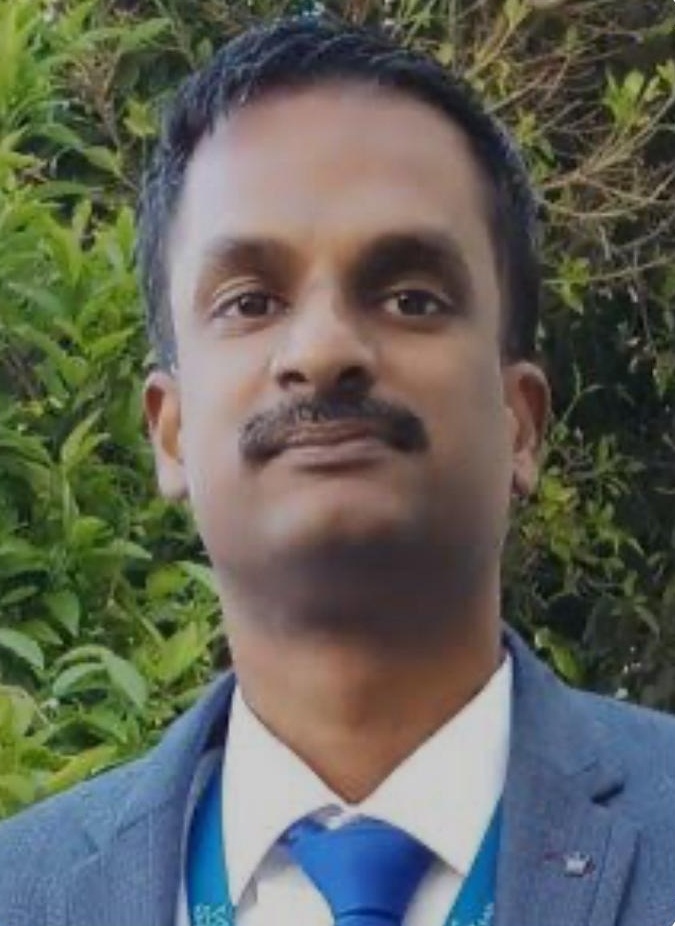 machine learning, deep learning, and medical image analysis. He also serves as Visiting Professor at the University of Oradea (Romania), the University of Luxembourg, and Samara State Medical University (Russia).
Prof. Hemanth has made significant contributions to the fields of intelligent biomedical systems and healthcare technologies, authoring more than 280 scientific publications in leading international journals and conferences. He has edited 49 academic books published by renowned publishers, including Elsevier, Springer, CRC Press, and IET, and serves as Associate Editor or Editorial Board Member for numerous high-impact journals, including IEEE Journal of Biomedical and Health Informatics, IEEE Transactions on Intelligent Transportation Systems, IET Image Processing, Soft Computing, and Heliyon. Recognized among the World’s Top 2% Scientists by Stanford University and appointed an IEEE EMBS Distinguished Lecturer, he is widely acknowledged for his contributions to AI-driven biomedical research.
His research focuses on developing innovative computational intelligence techniques for medical image analysis, computer-aided diagnosis, healthcare decision support, and explainable artificial intelligence. By integrating machine learning, deep learning, optimization algorithms, and image processing, his work aims to improve the accuracy, reliability, and clinical applicability of intelligent diagnostic systems while advancing the next generation of AI-enabled healthcare technologies.
At the symposium, Prof. Hemanth will deliver the keynote “Unconventional Machine Learning and Deep Learning Models for Medical Image Analysis: Out-of-the-Box Approaches.” The presentation will introduce innovative machine learning and deep learning methodologies that extend beyond conventional architectures, demonstrating how unconventional computational models can improve medical image interpretation, disease detection, and clinical decision support. Through real-world applications, the keynote will highlight the transformative role of artificial intelligence in precision medicine, intelligent diagnostics, and the future of digital healthcare.
 Prof. Dr. Utku Köse is a Full Professor of Computer Engineering at Süleyman Demirel University, Isparta, Türkiye, where he also serves as Director of the Artificial Intelligence Application and Research Center. He is an internationally recognized researcher whose work bridges artificial intelligence, explainable AI, machine ethics, cybersecurity, biomedical engineering, intelligent optimization, and human-centered computing. In addition to his academic position in Türkiye, he holds several international appointments, including Part-Time Full Professor at Universidad Panamericana (Mexico), Honorary Adjunct Professor of Artificial Intelligence at ITM (SLS) Baroda University (India), Adjunct Professor at Vel Tech Rangarajan Dr. Sagunthala R&D Institute of Science and Technology (India), and has recently been a Visiting Researcher at the University of North Dakota, USA.
Prof. Köse has established an extensive international research portfolio covering artificial intelligence, explainable AI (XAI), AI safety, intelligent systems, biomedical applications, machine ethics, digital healthcare, cyber security, robotics, and educational technologies. His recent work has focused on trustworthy AI for medical diagnosis, explainable deep learning, federated learning, digital twins, Internet of Medical Things (IoMT), large language models, and generative AI, with applications ranging from brain tumor diagnosis and cancer research to smart healthcare, intelligent transportation, and secure cyber-physical systems.
Beyond his scientific contributions, Prof. Köse has become an influential voice in the emerging fields of responsible and human-centered artificial intelligence. His keynote lectures at international conferences have addressed topics such as AI explainability, AI-human collaboration, technological singularity, responsible AI, cybersecurity, and the ethical challenges surrounding increasingly autonomous intelligent systems. His research emphasizes that future AI must not only achieve higher performance but also become transparent, trustworthy, safe, and aligned with human values.
At the SMART Symposium, Prof. Köse will deliver the keynote “[To Be Announced]”. Drawing on his interdisciplinary research at the intersection of explainable artificial intelligence, intelligent systems, cognitive computing, and AI ethics, the presentation will explore how next-generation AI technologies can evolve beyond accuracy toward transparency, trustworthiness, and meaningful collaboration with humans. The keynote will discuss recent advances in explainable AI, generative AI, intelligent healthcare systems, and responsible machine intelligence, highlighting the importance of designing AI systems that not only solve complex problems but also support human reasoning, ethical decision-making, and societal well-being.
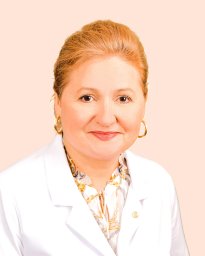 Dr. Rodica Elena Petrea is a Romanian-born international neurologist with extensive expertise in stroke, vascular dementia, brain aging, and heart–brain interactions. Her medical and academic career has developed primarily in the United States, where she currently lives and works, following her medical training at “Carol Davila” University of Medicine and Pharmacy in Bucharest and advanced neurology training in both Romania and Boston, Massachusetts. Certified by both the Romanian Board of Neurology and the American Board of Psychiatry and Neurology, Dr. Petrea has held academic appointments at the University of Kentucky, Creighton University, California Touro University, and Saint Joseph’s Medical Center in Stockton, California. She has also contributed to research within the Framingham Heart Study, focusing on vascular risk factors, brain aging, sex differences in stroke, cerebral small vessel disease, aortic disease, and vascular dementia. Her scientific work combines clinical neurology, epidemiology, neuroimaging, and original case-based research to better understand how cardiovascular and cerebrovascular processes influence brain function, cognitive decline, and neurological outcomes. She has published more than 50 peer-reviewed abstracts, posters, and papers, authored two book chapters, and delivered over 100 scientific lectures and presentations at regional, national, and international conferences, particularly in the fields of acute stroke and stroke prevention.
At the symposium, Dr. Petrea will present “Cardiac Voodoo: The Heart–Brain Syndrome in Stroke and Beyond”, a short review enriched by original clinical cases exploring the complex and sometimes unexpected interactions between cardiac dysfunction and neurological events. She will also present “White Matter Disease / Cerebral Small Vessel Disease: Overview Update and Original Research,” focusing on one of the major mechanisms linking vascular risk factors, brain aging, cognitive decline, and vascular dementia.
Her presentations will offer a clinically grounded and research-informed perspective on how the brain, heart, and vascular system interact across the lifespan, highlighting the importance of early recognition, prevention, and interdisciplinary approaches in protecting cognitive and neurological health.
 Dr. Marijana Prodanović is an Associate Professor at the Language Centre of the Faculty of Arts and Education, Kauno kolegija Higher Education Institution, Kaunas, Lithuania. Her interdisciplinary research explores the intersection of intercultural communication, cognitive processes, human interaction, and digital transformation in increasingly data-driven and AI-enabled societies. Through her academic work, she investigates how communication, culture, and cognition influence collaboration, learning, and decision-making in international and technologically mediated environments.
As an active researcher within the European University Alliance UNINOVIS – Data for L.I.F.E., Dr. Prodanović contributes to international projects that examine communication dynamics across multicultural academic ecosystems. Her work combines qualitative research methods—including observation, narrative analysis, discourse analysis, and the study of authentic social interactions—to better understand how individuals construct meaning, build trust, and collaborate across linguistic and cultural boundaries.
Drawing on insights from cognitive science, neuroscience, communication studies, and educational research, Dr. Prodanović examines the human dimensions of artificial intelligence, exploring how AI is reshaping learning, decision-making, intercultural dialogue, and knowledge exchange. Her research highlights that while intelligent technologies are transforming education and society, human cognition, empathy, critical thinking, and cultural awareness remain essential for responsible innovation and meaningful collaboration.
She advocates for a human-centered approach to artificial intelligence, emphasizing that the future of AI depends not only on increasingly powerful algorithms but also on a deeper understanding of how people think, communicate, learn, and connect across cultures. Her work promotes the integration of technological innovation with ethical responsibility, intercultural competence, and cognitive diversity, ensuring that AI serves human development rather than merely technological advancement.
At the SMART Symposium, Dr. Prodanović will deliver the keynote “Human Intelligence in the Age of Artificial Intelligence: Intercultural Communication, Cognition, and the Future of Human-Centered AI.” The presentation will explore how cognitive science, intercultural communication, and neuroscience can inform the development of more inclusive, trustworthy, and human-centered AI systems. It will examine the role of communication, cultural intelligence, and collaborative thinking in designing intelligent technologies that enhance human potential while preserving the uniquely human capacities of empathy, creativity, critical reasoning, and meaningful social interaction.
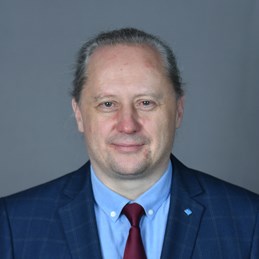
Dr. Dmytro Zubov is an Associate Professor of Computer Science at the University of Central Asia, Naryn Campus, Kyrgyzstan, where he teaches software engineering, mobile computing, Internet of Things (IoT), cloud technologies, and intelligent systems. With doctoral qualifications recognized in both China and North Macedonia, he combines extensive academic experience with practical expertise in applied artificial intelligence, smart infrastructure, and digital innovation.
Dr. Zubov is a Microsoft Server Virtualization Professional and recipient of the Microsoft Azure Research Award (2014, 2016). He is also affiliated with leading international professional organizations, including IEEE, Microsoft, and IBM. His educational philosophy emphasizes competency-based learning through project-oriented STEM education and flipped classroom methodologies, preparing students to develop innovative solutions for real-world technological challenges.
His research focuses on intelligent agents, Internet of Things/Everything (IoT/E), cloud computing, mobile applications, and smart environments. As the leader of the international project “Smart City Mesh Network of eHealth Intelligent Agents for Visually Impaired and Blind People,” Dr. Zubov develops AI-enabled assistive technologies that integrate mobile applications, embedded systems, computer vision, sensor networks, and intelligent decision support to improve accessibility and quality of life for people with visual impairments. His work also addresses smart energy, smart buildings, smart industry, and digital healthcare through the integration of AI, cloud computing, and distributed intelligent systems.
At the SMART Symposium, Dr. Zubov will deliver the keynote “Intelligent Agents and Human-Centered AI in Smart Environments: From the Internet of Things to Inclusive Digital Ecosystems.” The presentation will explore how artificial intelligence, intelligent agents, and IoT technologies are transforming modern smart cities and digital healthcare by enabling adaptive, context-aware, and human-centered services. Through examples from assistive technologies for visually impaired users, smart sensing, cloud computing, and edge intelligence, Dr. Zubov will demonstrate how AI can augment human capabilities, foster social inclusion, and contribute to the development of resilient and intelligent communities.