About the Symposium
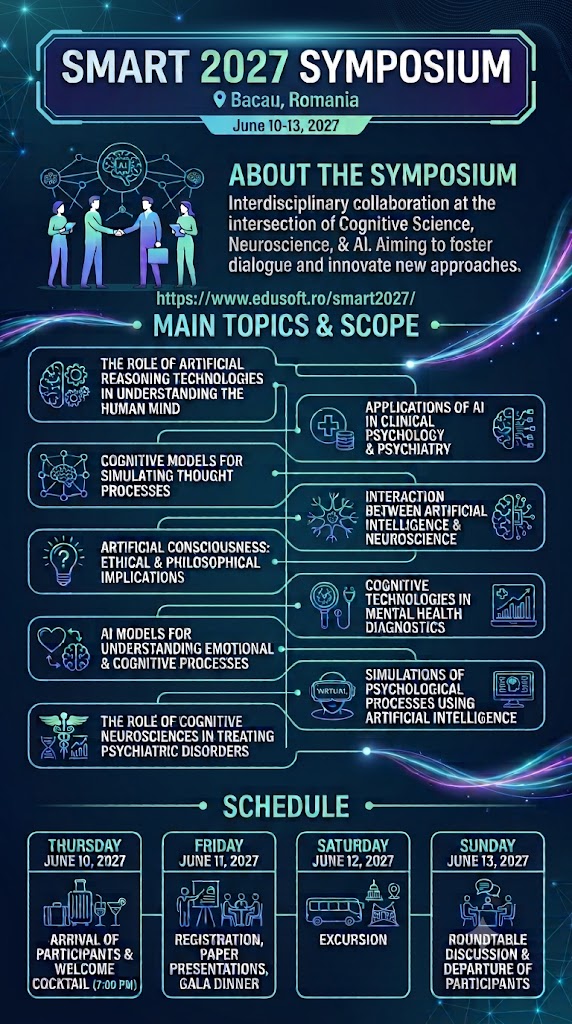
Main Topics
- The Role of Artificial Reasoning Technologies in Understanding the Human Mind
- Applications of Artificial Intelligence in Clinical Psychology and Psychiatry
- Cognitive Models for Simulating Thought Processes
- Interaction Between Artificial Intelligence and Neuroscience
- Artificial Consciousness: Ethical and Philosophical Implications
- Cognitive Technologies in Mental Health Diagnostics
- AI Models for Understanding Emotional and Cognitive Processes
- Simulations of Psychological Processes Using Artificial Intelligence
- The Role of Cognitive Neurosciences in Treating Psychiatric Disorders
Schedule
- Thursday, June 10, 2027: Arrival of participants and Welcome Cocktail at 7:00 PM
- Friday, June 11, 2027:
- Registration and presentation of papers
- Gala Dinner in the evening
- Saturday, June 12, 2027: Excursion
- Sunday, June 13, 2027: Roundtable discussion and departure of participants
See full programme here!
Distinguished Keynote Lecture
|
|
Keynote speakers
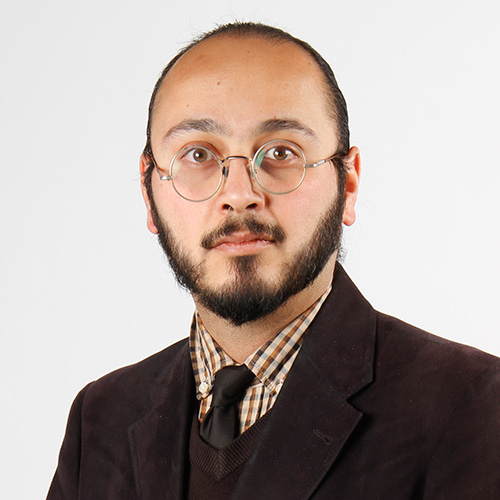 Dr. Paniel Reyes Cárdenas – Philosopher, researcher, and lecturer at the Oblate School of Theology in San Antonio, Texas, USAPresentation: “What Kind of Intelligence is Artificial Intelligence?” |
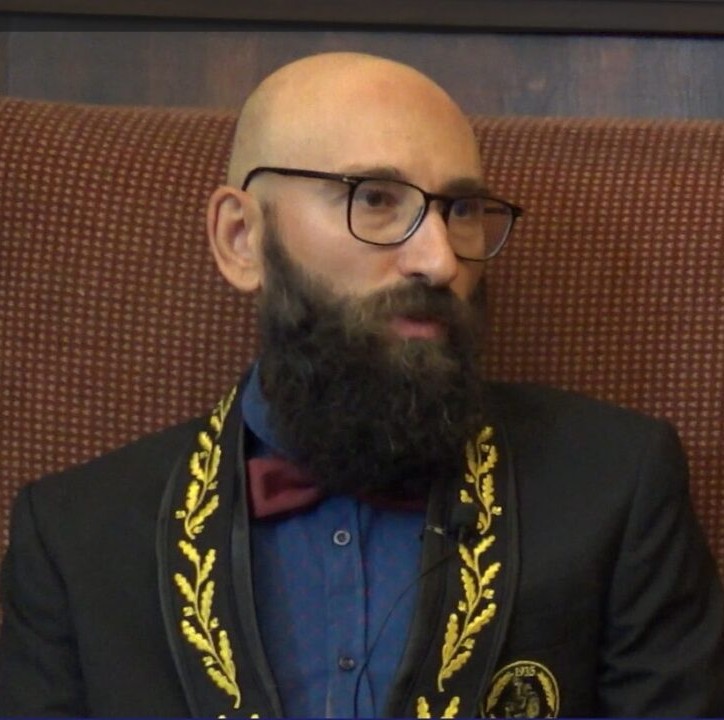 Dr. Alin Ciobîcă – Senior Research Scientist (CS I, Habil.), Romanian Academy, Iași, RomaniaPresentation: “From Brain Biomarkers to Artificial Intelligence: Predicting Cognitive Decline through Integrative Neuroscience” |
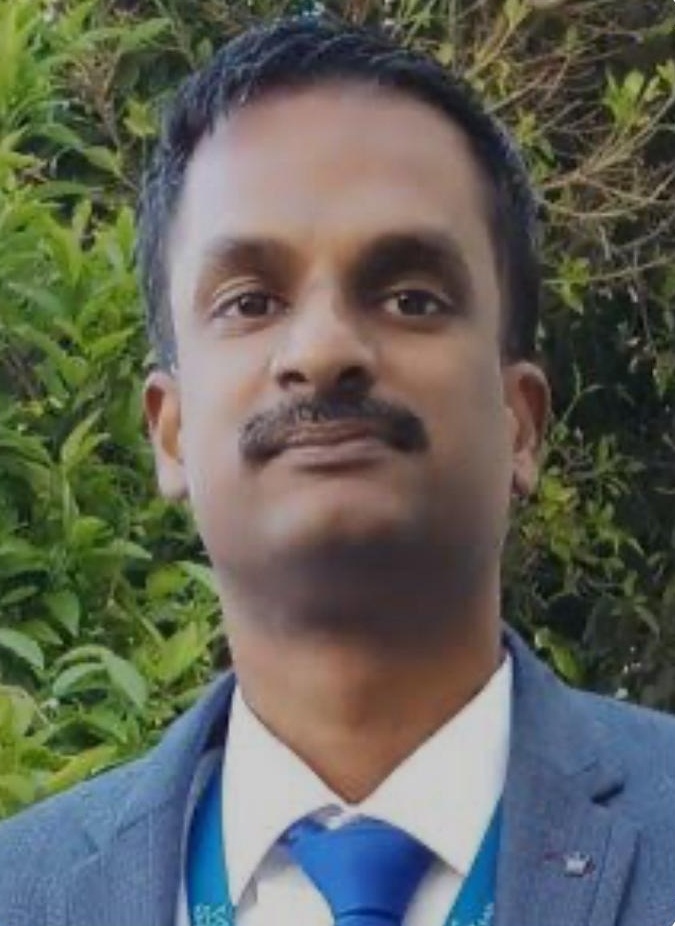 Dr. D. Jude Hemanth – Full Professor in the Department of Electronics and Communication Engineering at Karunya Institute of Technology and Sciences, IndiaPresentation: “Unconventional Machine Learning and Deep Learning Models for Medical Image Analysis: Out-of-the-Box Approaches” |
 Dr. Utku Köse – Full Professor of Computer Engineering at Süleyman Demirel University, Isparta, Türkiye Presentation: [to be announced] |
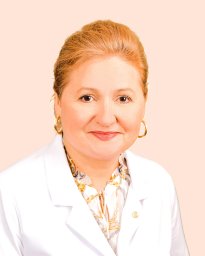 Dr. Rodica Elena Petrea, MD – University of Kentucky, Creighton University, California Touro University, and Saint Joseph’s Medical Center in Stockton, California Presentations: “Cardiac Voodoo: The Heart–Brain Syndrome in Stroke and Beyond” & “White Matter Disease / Cerebral Small Vessel Disease: Overview Update and Original Research” |
 Dr. Marijana Prodanović – Associate Professor at the Language Centre of the Faculty of Arts and Education at Kauno kolegija Higher Education Institution, Kaunas, LithuaniaPresentation: “Where AI Meets Humanity – Bridging Cultures via Communication” |
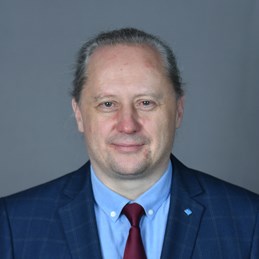 Dr. Dymtro Zubov – Associate Professor of Computer Science at the University of Central Asia, Naryn Campus, Kyrgyzstan Presentation: “Intelligent Agents and Human-Centered AI in Smart Environments: From the Internet of Things to Inclusive Digital Ecosystems” |
See details about keynotespeakers here.
Important Deadlines
- Submission of titles and abstracts (including authors and affiliations): October 15, 2026
Send by email your intention to participate and the abstract of your paper to smart AT edusoft DOT ro. You will then receive all the necessary details by email. - Notification of acceptance: November 1, 2026
- Early registration deadline: January 15, 2027
- Late registration deadline: April 15, 2027
- Submission of full papers (optional): May 15, 2027
- Conference dates: June 10 – June 13, 2027
Participation Fees
About the Participation Fees at the SMART Symposium
For this year’s edition of the SMART Symposium, we have established different participation fees for in-person and online attendees. While it might seem surprising that the fee for attending in person is lower than the one for online participation, this decision reflects our strong belief—confirmed by past experience—that face-to-face interaction leads to more meaningful, long-term collaborations.
In-person meetings foster genuine academic exchanges, the formation of lasting friendships, and the development of joint research projects. These kinds of connections are much harder to achieve through virtual networking, which often lacks the depth and personal engagement of real-life encounters.
Moreover, we are fully aware that in-person participants also bear additional costs related to travel and accommodation. By setting a lower participation fee for those attending on-site, we aim to acknowledge and support their commitment to being physically present and actively engaged in the symposium community.
In person participation:
- Early registration: 100 EUR per participant
- Late registration: 300 EUR per participant
- PhD Students: 75 EUR (early) / 200 EUR (late)
- Accompanying persons: 50 EUR (early) / 100 EUR (late)
- Attendees: 50 EUR (early) / 100 EUR (late)
Fees include access to all presentations, coffee breaks, gala dinner, and the excursion.
Virtual participation:
- Early registration: 500 EUR per participant
- Late registration: 500 EUR per participant
- PhD Students: 400 EUR (early) / 450 EUR (late)
- Attendees: 150 EUR (early) / 200 EUR (late)
Publication
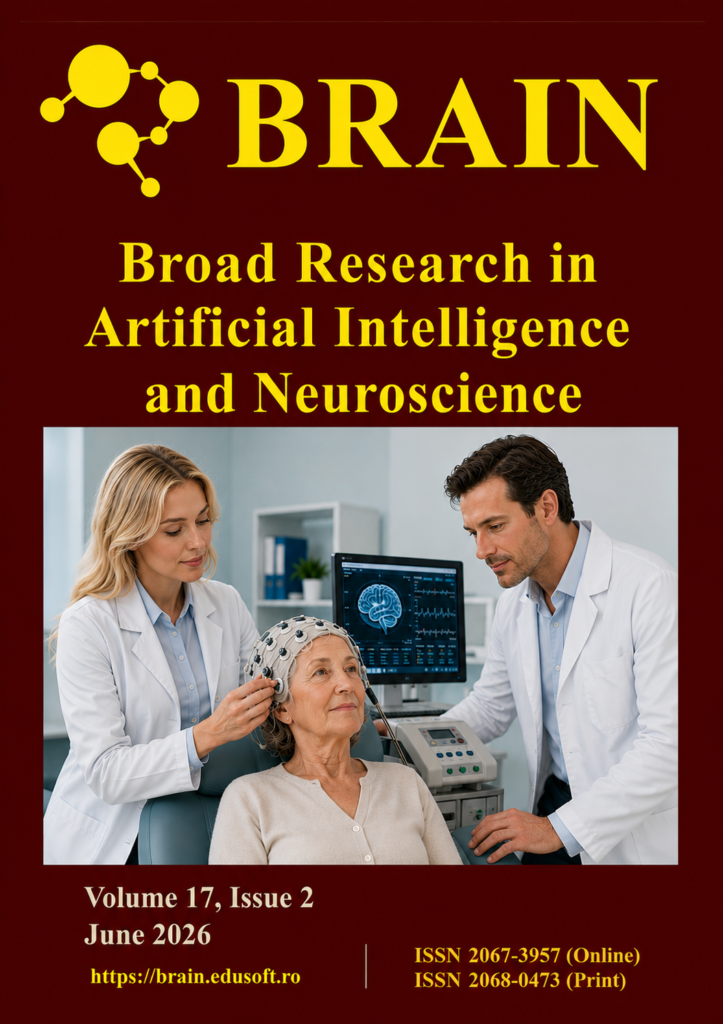
Extended versions of selected high-quality papers presented at the SMART Symposium will be invited for publication in BRAIN: Broad Research in Artificial Intelligence and Neuroscience, a Web of Science Core Collection-indexed open-access journal (Impact Factor: 0.6), subject to a rigorous peer-review process. Established in 2010, BRAIN is an international open-access journal dedicated to publishing cutting-edge multidisciplinary research that advances the understanding of the brain and explores the application of artificial intelligence across medicine, health sciences, neuroscience, psychology, cognitive science, and related disciplines. The journal welcomes contributions in areas such as machine learning, deep learning, natural language processing, brain-computer interaction, neuroimaging, cognitive psychology, AI ethics, robotics, virtual and augmented reality, and other interdisciplinary topics connecting artificial intelligence with brain and cognitive sciences. An additional publication fee of 300 EUR applies for accepted papers.
Venue
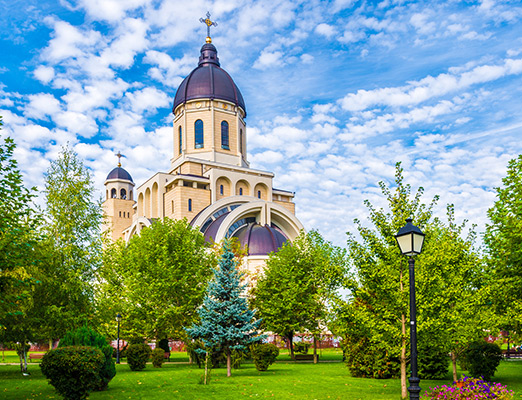 The symposium will take place in Bacău, central Moldavia region, eastern Romania, a city in the midrich in history and culture. Participants will enjoy an excursion to nearby landmarks.
Bacau (Bacău) is the main city in Bacau County, Romania. With a population of 133,460, it is the 15th largest city in Romania. The city is situated in the historical region of Moldavia, at the foothills of the Carpathian Mountains, and on the Bistrita River. The Ghimes Pass links Bacau to Transylvania. The famous gymnast Nadia Comaneci, the founder of the Dada/Dadaism movement Tristan Tzara, and the king Stephen III of Moldavia (Stephen the Great) were born in Bacau County. Also, the composer/violonist/pianist Georges Enesco lived in Bacau County.
The local time in Bacău is GMT+2.
There are some direct flights from European main cities to Iași and Bacau. The distance between Iași and Bacău is 130km, and there are several buses and trains between the cities.
Located in the heart of Romania’s historical region of Moldavia, Bacău is a vibrant city that blends cultural heritage with modern infrastructure, making it an ideal venue for conferences and academic gatherings. The city benefits from well-developed transport connections, including an international airport and easy access to major railway and road networks.
Bacău boasts a dynamic academic environment, with universities and research institutions that foster intellectual exchange. The city also offers a range of accommodation options, from comfortable hotels to elegant venues suited for professional events. Participants will enjoy the welcoming atmosphere, rich cultural scene, and excellent local cuisine, which features traditional Moldavian flavors.
Beyond the conference setting, Bacău serves as a gateway to some of Romania’s most picturesque and historically significant sites. Attendees will have the opportunity to explore the breathtaking landscapes and cultural landmarks of the region in a specially arranged excursion.
Excursion Highlights
During the post-conference trip, participants will visit:
- Târgu Ocna Salt Mine – One of Romania’s oldest and most impressive salt mines, renowned for its vast underground chambers, therapeutic microclimate, and the unique chapel carved into the salt.
-
Slănic Moldova Resort – A celebrated mountain spa destination, often called the “Pearl of Moldavia,” renowned for its therapeutic mineral springs, fresh mountain air, and spectacular natural scenery. Participants will also visit the recently restored Slănic Moldova Casino, an architectural landmark built between 1892 and 1894 by Italian craftsmen and local builders from the Slănic Valley. Designed in the Art Nouveau style by the renowned Iași architect George Sterian, in collaboration with H. Rick, the project was initiated by the architect Nicolae Ghica-Budești, then administrator of the “Sf. Spiridon” Foundation in Iași.
- Ghika Castle, Dofteana– An elegant 19th-century castle surrounded by a picturesque park, reflecting the noble heritage of the Ghika family and the architectural charm of the region.
- Ghika Palace, Comănești – Home to the “Dimitrie N. Ghika” Museum of Ethnography and Contemporary Art, this elegant palace, designed by the French architect Albert Galleron, showcases the cultural heritage of the Ghika family through valuable ethnographic collections and contemporary art exhibitions, while preserving the architectural splendor of one of Romania’s most distinguished aristocratic residences.
- National Museum “George Enescu” – “Dumitru and Alice Rosetti Tescanu – George Enescu” Section, Tescani – A unique cultural landmark located in the historic Rosetti-Tescanu Manor, closely associated with the life and work of Romania’s greatest composer. The museum offers visitors an inspiring insight into George Enescu’s artistic legacy and the elegant setting that fostered his creativity.
This journey will offer participants a memorable experience, combining the industrial heritage of Romania’s historic salt mines, the tranquility of its renowned mountain spa, the elegance of aristocratic architecture, and the cultural legacy of George Enescu. The excursion will perfectly complement the conference in Bacău, showcasing the region’s rich history, cultural treasures, and natural beauty.
Accommodation in Bacău
Participants are encouraged to book their stay at one of the recommended hotels in Bacău or opt for apartments available for short-term rental. Popular options include:
- Hotel Dumbrava – A centrally located hotel offering modern amenities and excellent service.
- Hotel Decebal – A comfortable option with well-equipped rooms and conference facilities.
- Hotel Helen – A stylish retreat on the outskirts of the city, ideal for a more relaxed stay.
- Various apartments in the city center – Available for short-term rental via Airbnb or Booking.com, offering flexibility and convenience.
These options ensure a comfortable stay for conference attendees, with easy access to the event venue and the city’s main attractions.
Contact and Registration
For inquiries and registration, please contact us at smart@edusoft.ro.
Visit our website for updates: smart.edusoft.ro