


Bogdan
Patrut
Abstract:
Information for authors







 ▲
▲

Disclaimer: These images were generated using artificial intelligence and may contain inaccuracies or inconsistencies. They are provided solely as a visual aid to facilitate the rapid understanding of the key ideas presented in these article. Our editorial team conducts ongoing reviews of AI-generated images and will correct or replace them whenever an error or discrepancy is identified or reported.
Disclaimer: This image was generated using artificial intelligence and may contain inaccuracies or inconsistencies. It is provided solely as a visual aid to facilitate the rapid understanding of the key ideas presented in this article. Our editorial team conducts ongoing reviews of AI-generated images and will correct or replace them whenever an error or discrepancy is identified or reported.
Authors:This study investigates user preferences for marketing courses and online learning platforms, aiming to inform the development of a user-centric educational space tailored to real needs. Through structured interviews with marketing professionals and enthusiasts, data were collected on course preferences, challenges encountered on existing platforms, and desired features. Key findings reveal a demand for personalised, engaging, and accessible learning experiences, with gamification and interactivity as motivating factors. Challenges such as unclear course structures and insufficient practical applications were identified. These insights serve as a foundation for designing a learning platform that bridges the gap between current offerings and user expectations, for a more effective and enjoyable marketing education.
Keywords: marketing courses, online learning platforms, user preferences, personalised learning, gamification
Disclaimer: This image was generated using artificial intelligence and may contain inaccuracies or inconsistencies. It is provided solely as a visual aid to facilitate the rapid understanding of the key ideas presented in this article. Our editorial team conducts ongoing reviews of AI-generated images and will correct or replace them whenever an error or discrepancy is identified or reported.
Authors:This study presents a conceptual assessment of the impact of personality traits and person-group fit on contextual performance. Variety in organisational formation. It is wondered how results such as innovation change and turnover will be produced. It is known that the characteristics of the individual are different and unique. This situation is seen to be studied in relation to issues such as organisational structure, working style, individual performance, or organisational performance, which occur as a variable in the administrative sense. In addition, in established organisations, where work pieces and units with different capacities are located, person-group durability gains weight. These structural personality traits, an important role in the attitude and formation of employees in their work, person-group distribution social sharing and team dynamics are combined. The study emphasises the growth of individual differences and group dynamics in promoting a productive and collaborative work environment.
Keywords: personality; person-group fit; contextual performance.
Disclaimer: This image was generated using artificial intelligence and may contain inaccuracies or inconsistencies. It is provided solely as a visual aid to facilitate the rapid understanding of the key ideas presented in this article. Our editorial team conducts ongoing reviews of AI-generated images and will correct or replace them whenever an error or discrepancy is identified or reported.
Authors:This study analyses key educational indicators in Romania to identify successful EU initiatives that could enhance academic outcomes. The study used a two-phase methodology. To compare Romania's performance with the EU averages in terms of student achievement, early school leaving, tertiary education participation, and education investment, a data analysis first looks at data from the Romanian Education and Training Monitor reports (2021–2024) released by the European Commission. This stage draws attention to disparities, opportunities for development, and advancements throughout time. Second, to get insight into best practices that could be modified for Romania's situation, a qualitative analysis looks at successful educational reforms that have been put into place in EU nations where these indicators have improved. By improving individualised learning, expediting administrative duties, and empowering teachers, the use of AI in education creates a more flexible and effective learning environment. The results are intended to bolster evidence-based suggestions for closing current gaps and promoting Romanian educational modernisation.
Keywords: EU education; Romanian education; change management; education indicators; education improvement.
Disclaimer: This image was generated using artificial intelligence and may contain inaccuracies or inconsistencies. It is provided solely as a visual aid to facilitate the rapid understanding of the key ideas presented in this article. Our editorial team conducts ongoing reviews of AI-generated images and will correct or replace them whenever an error or discrepancy is identified or reported.
Authors:This article explores how Generations X, Y (Millennials), and Z perceive and prioritise key dimensions of work quality, specifically contrasting traditional notions of job presence with modern expectations of added value. Drawing upon foundational theories including Generational Theory, Herzberg’s Motivation-Hygiene Theory, Social Exchange Theory, the Technology Acceptance Model, and Maslow’s Hierarchy of Needs, the analysis reveals distinct motivational drivers, communication styles, and workplace expectations across generational cohorts. The study underscores the shift from physical presence to outcome-based contributions, particularly among younger generations, and highlights the role of digital fluency, flexibility, and purpose-driven work in shaping these preferences. It also considers the impact of the COVID-19 pandemic on workplace perceptions, noting an accelerated move toward remote work and redefined performance metrics. By integrating theoretical insights with practical implications, the article provides strategies for organisations to enhance intergenerational collaboration, adapt leadership approaches, and foster inclusive, high-performing work environments.
Keywords: generational differences; work quality; job presence; added value; generation X; millennials; generation Z; Herzberg’s theory; technology acceptance model; social exchange theory; workplace motivation; remote work.
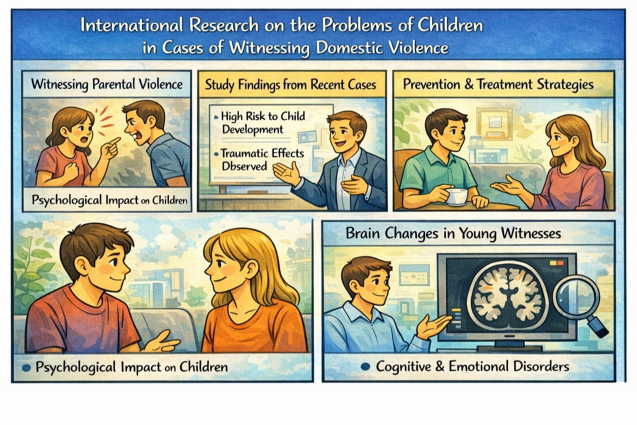
Disclaimer: This image was generated using artificial intelligence and may contain inaccuracies or inconsistencies. It is provided solely as a visual aid to facilitate the rapid understanding of the key ideas presented in this article. Our editorial team conducts ongoing reviews of AI-generated images and will correct or replace them whenever an error or discrepancy is identified or reported.
Authors: